
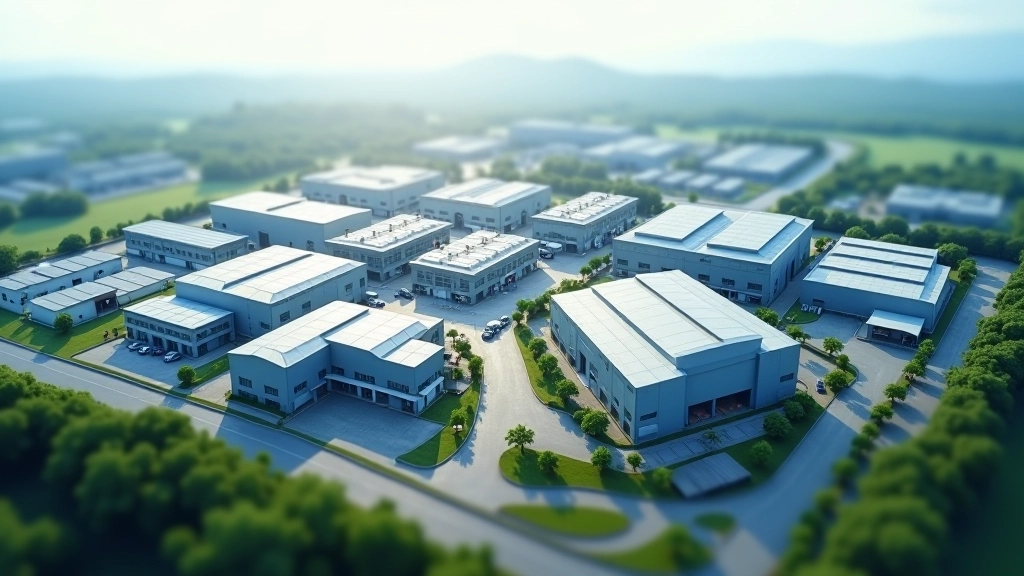
How FDI Drives Manufacturing Growth in Malaysia
Examines the direct relationship between foreign investment inflows and manufacturing sector expansion across Malaysia’s industrial landscape.
Read ArticleUnderstanding how Malaysia’s strategic zones attract foreign investment through tax incentives, world-class infrastructure, and streamlined regulations

Malaysia’s special economic zones (SEZs) aren’t just designated areas on a map. They’re carefully engineered investment destinations designed to attract multinational corporations and foreign capital. You’ll find them strategically positioned near ports, airports, and existing industrial clusters—places where infrastructure already exists and connections matter.
These zones operate under different rules than the rest of the country. Companies benefit from tax holidays, duty-free imports, and streamlined customs procedures. We’re talking about real advantages that reduce operating costs significantly. But there’s more—SEZs also provide access to skilled labor pools, established supply chains, and business-friendly regulatory environments.
The framework isn’t new. Malaysia’s been developing SEZs since the 1970s, learning what works and what doesn’t. Today’s zones represent decades of refinement. They’ve become magnets for electronics manufacturing, petrochemicals, automotive production, and increasingly, technology sectors.

Malaysia’s SEZ framework operates on a simple principle: reduce barriers for businesses that export goods or provide high-value services. Companies within these zones get customs exemptions on imported raw materials and equipment used in production. If you’re manufacturing electronics for global markets, you’re not paying tariffs on components that come in—only on what you consume locally.
Tax incentives form the backbone of the framework. Pioneer status grants income tax exemptions for 5-10 years depending on the sector and location. It’s genuinely substantial. A company establishing a manufacturing facility can reinvest profits without immediate tax obligations, accelerating growth and expansion. Reinvestment allowances provide additional benefits—you’re essentially getting recognition for putting money back into operations.
The governance structure matters too. Each SEZ has a dedicated administrator managing infrastructure, security, and business services. You don’t navigate bureaucracy alone. There’s someone whose job is making your operation run smoothly. Land allocation, utilities, telecommunications—it’s all coordinated. Many zones offer one-stop approval centers where you handle multiple permits simultaneously instead of visiting different offices across the country.
Key Framework Elements: Customs duty exemptions on imports, income tax holidays (5-10 years), reinvestment allowances, streamlined regulatory approval, dedicated zone administration, modern shared infrastructure.

Tax holidays and customs exemptions directly lower operational expenses. Companies see 15-25% cost advantages compared to operating outside SEZs, depending on sector and input composition.
Pre-built industrial parks with reliable power, water, telecommunications, and transport connections. You’re not starting from scratch—infrastructure’s ready when you arrive.
Streamlined approval processes mean you’re operational faster. One-stop service centers handle multiple permits simultaneously instead of traditional sequential processing.
Access to trained workforce pools. Many zones are located near population centers with technical schools and universities, ensuring you’ll find skilled workers for manufacturing and engineering roles.
Strategic locations near ports and airports minimize export costs. You’re not shipping from remote locations—most SEZs are positioned for efficient distribution to regional and global markets.
Established supply chains and vendor networks. You’re not the first company in your sector—others operate nearby, creating ecosystem benefits and partnership opportunities.
Malaysia’s SEZ portfolio covers diverse sectors and geographic regions. The Klang Valley corridor hosts electronics and petrochemical manufacturing, positioned perfectly for port access through Port Klang. Penang’s northern zone focuses on semiconductor fabrication and tech assembly—the island’s been a chip manufacturing hub since the 1970s. Johor’s zones serve automotive and chemicals sectors, leveraging proximity to Singapore’s supply chains and markets.
Smaller zones specialize in niche sectors. Labuan’s offshore financial zone attracts banking and financial services. Cyberjaya focuses on digital economy and software development. These specialized zones operate with sector-specific incentives tailored to attract companies in those industries.
What’s interesting is how zones complement each other. A company might use multiple zones for different operations—manufacturing in one, R&D in another. The framework allows this flexibility, and zone administrators actually coordinate to help companies optimize their footprint across Malaysia.
“SEZs represent Malaysia’s commitment to creating globally competitive investment destinations. They’re not just policy—they’re functional ecosystems where companies actually thrive.”
— Investment sector analyst, 2026
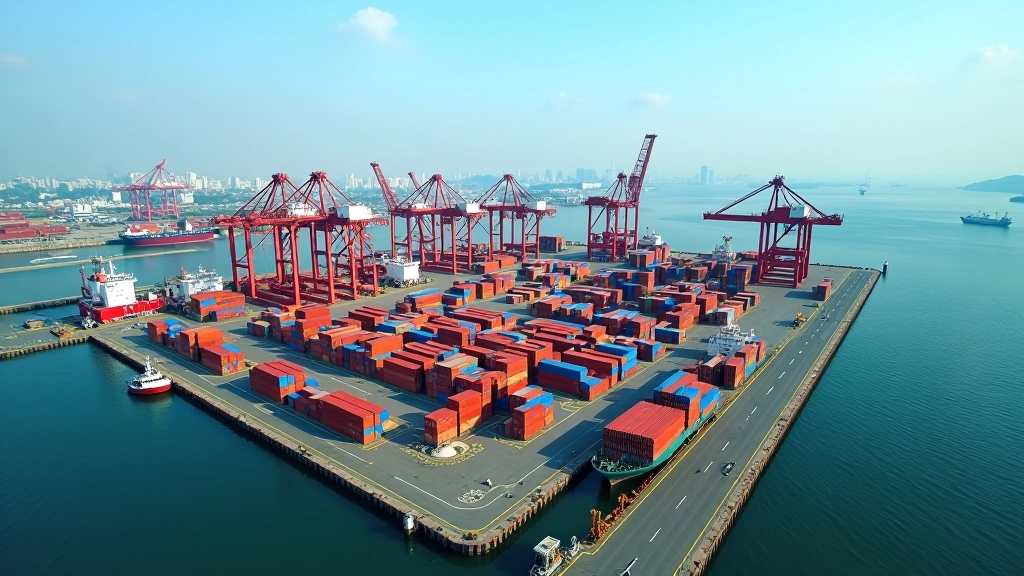
Numbers tell the story. SEZs generate over 40% of Malaysia’s manufacturing exports despite occupying less than 3% of industrial land. That’s efficiency. Companies within zones are more productive than peers outside them, reinvesting at higher rates and expanding faster.
Employment impact’s significant too. SEZs directly employ over 800,000 people, with additional indirect employment through supplier networks and service providers. These aren’t low-wage positions either—manufacturing and tech roles in zones typically pay 30-40% above national manufacturing averages.
Technology transfer happens naturally within zones. Multinational corporations bring cutting-edge processes and standards. Local suppliers learn by working with these companies. Engineers develop expertise. Over time, this creates domestic capability. Malaysian companies that started as component suppliers in SEZs have become technology leaders themselves.
Foreign direct investment flow reflects this success. Malaysia’s attracted over $1.5 trillion in cumulative FDI since 1970s, with SEZs capturing substantial portions of recent inflows. The zones have become central to Malaysia’s economic strategy, not peripheral experiments.
From SEZs despite occupying less than 3% of industrial land
In SEZs with additional indirect employment in supplier networks
SEZ employment pays above national manufacturing averages
Company registers operations in SEZ and files for pioneer status. Approval typically comes within 30-60 days. Tax exemption period begins immediately upon commencement of production. You’re not waiting years—benefits activate quickly.
Import duties disappear on raw materials and equipment. Customs clearance accelerates—what takes weeks elsewhere happens in days. Reinvestment allowances mean profit reinvestment gets favorable tax treatment. Direct cost savings appear in first year operations.
Company connects with existing supplier networks and business services. Zone administration facilitates introductions and partnerships. You’re not operating in isolation—established ecosystem provides vendor options, technical support, and logistics coordination.
Lower costs enable investment in better equipment and training. Companies expand faster than peers outside zones. Technology adoption accelerates because cost savings free capital for modernization. Workforce development programs improve labor quality.
Increased employment drives local spending. Suppliers expand to serve zone companies. Service providers grow—accounting, logistics, maintenance, catering. Technology knowledge diffuses to domestic partners. What started as single company investment becomes broader economic activity.
Malaysia’s special economic zones aren’t theoretical constructs—they’re proven instruments for attracting investment and generating economic activity. The framework combines concrete incentives (tax holidays, duty exemptions) with functional advantages (infrastructure, location, ecosystem). It’s a comprehensive approach.
What makes them effective is sustainability. Zones aren’t just subsidies that disappear—they’re permanent fixtures with established communities of businesses. Companies know they’re investing in stable, predictable environments. Infrastructure improves continuously. Supply chains deepen. Knowledge networks strengthen.
For investors, SEZs represent access to a mature, globally-connected manufacturing and services hub. You’re not pioneering—you’re joining established ecosystems with proven track records. For Malaysia, SEZs remain central to maintaining competitiveness in attracting the foreign capital that drives growth and development.
Want to explore how foreign investment flows into Malaysia’s economy and the sectors attracting capital?
Explore FDI OverviewThis article provides educational information about Malaysia’s special economic zones framework and general benefits. Information is current as of March 2026 but policies and incentive structures can change. Specific tax benefits, duty exemptions, and incentive eligibility vary based on sector, company status, and individual circumstances. Companies considering operations in SEZs should consult with tax professionals, legal advisors, and the Malaysian Investment Development Authority (MIDA) directly for current, detailed guidance applicable to their specific situation. This content isn’t investment advice or business consultation—it’s informational material intended to build understanding of how SEZs function and their role in Malaysia’s investment landscape.