
How FDI Drives Manufacturing Growth in Malaysia
Understanding the direct relationship between foreign investment inflows and manufacturing sector expansion across key states and zones
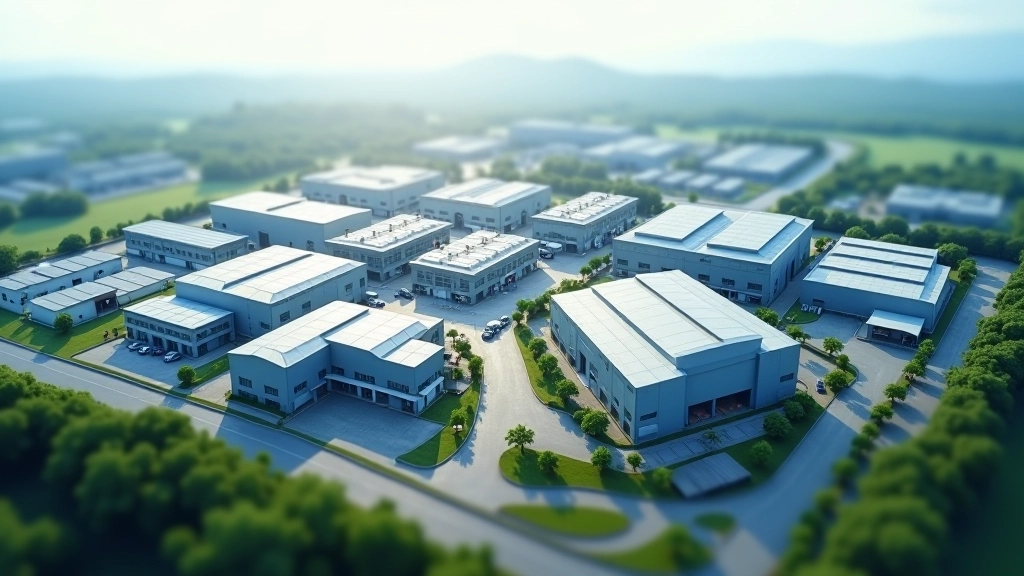
Malaysia’s Manufacturing Renaissance Through FDI
Foreign direct investment isn’t just numbers on a spreadsheet — it’s transformed Malaysia’s manufacturing landscape. Over the past two decades, FDI inflows have fundamentally reshaped how goods are produced across the country. Companies aren’t simply setting up factories. They’re bringing advanced technologies, skilled management practices, and access to global supply chains.
The connection is straightforward but powerful. When multinational corporations invest in Malaysian manufacturing, they don’t just build facilities. They develop local talent, establish training programs, and create networks that benefit smaller suppliers and surrounding industries. The multiplier effect ripples through entire regions.
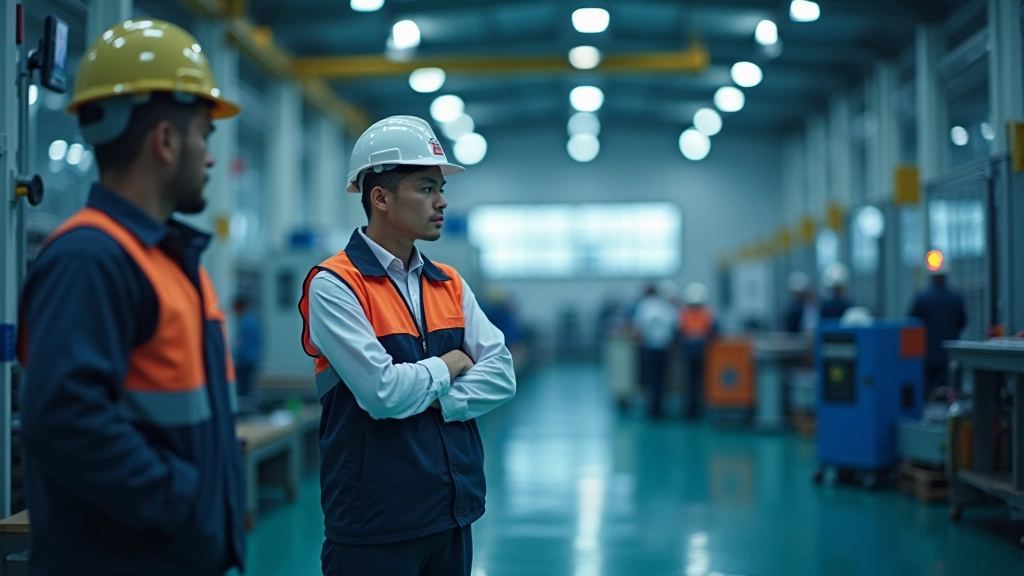
The Investment-Growth Connection
Malaysia received over $9 billion in manufacturing FDI in 2023 alone. That’s real capital flowing into production facilities, machinery, and workforce development. You’ll notice this pattern across semiconductor manufacturing in Penang, automotive components in Selangor, and electronics assembly throughout the central regions.
Here’s what actually happens on the ground. A foreign manufacturer opens a facility. They hire local managers, engineers, and production workers. Within months, local supply chains form around their needs. Packaging companies expand. Logistics providers upgrade their operations. Transport companies add new routes. The economic activity compounds.
Key Economic Indicators
- Manufacturing sector grew 5.2% annually from 2015-2023 with sustained FDI
- Over 650,000 jobs created directly in FDI-backed manufacturing facilities
- Export-oriented FDI projects account for approximately 60% of total manufacturing exports
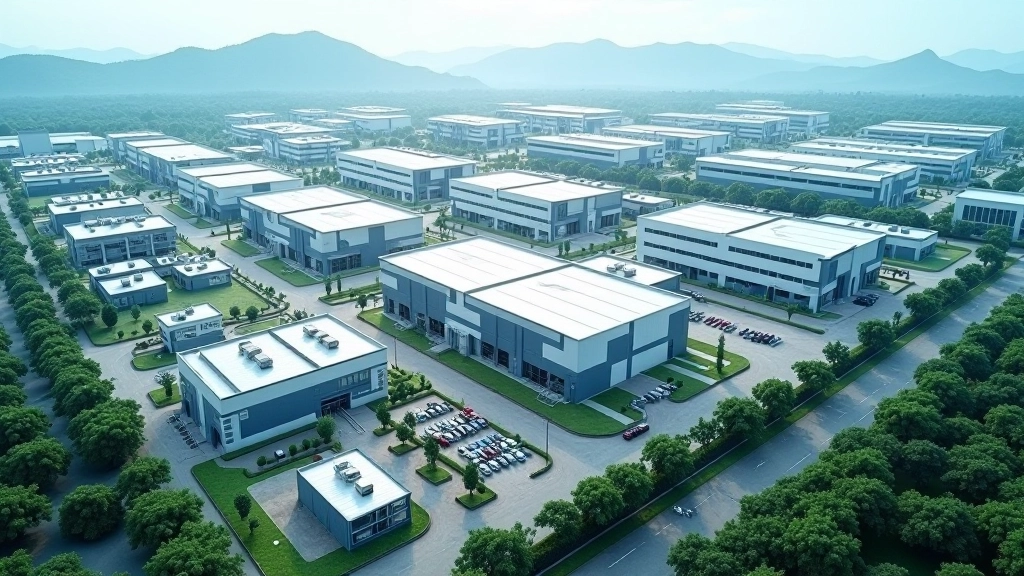
Special Economic Zones: FDI Magnets
Malaysia’s special economic zones aren’t just geographic areas. They’re strategic investments designed to attract specific types of manufacturing. The Iskandar Economic Region in Johor, the Northern Corridor Economic Region, and Sabah Development Corridor all compete aggressively for FDI.
What makes these zones attractive? Tax incentives matter, sure. But the real draw is infrastructure. These zones have reliable electricity, modern port facilities, and established supplier networks. A company considering where to place a $50 million facility doesn’t just look at tax breaks. They look at whether the airport can handle their logistics, whether skilled workers are available, and whether local suppliers can meet their standards.
Between 2018 and 2023, zone-based FDI projects created manufacturing capacity worth over $25 billion. Companies weren’t relocating out of these zones. They were expanding within them, deepening their commitments, and bringing in supplier companies to create industrial clusters.
Technology Transfer and Productivity Gains
The most valuable aspect of FDI isn’t the capital itself — it’s the knowledge transfer. When a German automotive supplier sets up in Malaysia, they’re not bringing just machinery. They’re bringing decades of process optimization, quality control systems, and manufacturing techniques developed in competitive global markets.
Local engineers and managers work alongside international teams. They learn advanced production methodologies. They understand just-in-time inventory systems, lean manufacturing principles, and Six Sigma quality processes. These aren’t things you can read about in a textbook. They’re acquired through hands-on experience with world-class practitioners.
Real Impact: Productivity growth in FDI-backed facilities averaged 8.3% annually from 2015-2023, compared to 3.1% in non-FDI domestic manufacturers. That’s a significant gap driven by technology adoption and process improvements.
Local suppliers upgrade their own capabilities to meet international standards. They invest in better equipment. They hire more skilled workers. They implement quality assurance programs. The entire supply ecosystem improves.


MIDA’s Investment Facilitation Role
Malaysia’s investment promotion agency, MIDA, doesn’t sit back and wait for foreign investors to discover the country. They’re actively working to attract specific manufacturing sectors. They understand which industries offer the best returns for Malaysia’s economy and which regions need development.
MIDA provides investor support services that matter. They help companies navigate regulatory requirements. They facilitate site selection for manufacturing facilities. They coordinate with state governments to ensure projects get timely approvals. They connect investors with training providers, logistics partners, and financial institutions.
The agency also identifies priority sectors. Semiconductor manufacturing, electrical and electronics, medical devices, and renewable energy equipment are strategic focus areas. By concentrating on sectors that create high-value jobs and advanced manufacturing capabilities, MIDA shapes FDI toward long-term national benefit.
Key Insights on FDI and Manufacturing Growth
Capital and Infrastructure Development
FDI doesn’t just bring money. It drives infrastructure development that benefits entire regions. Ports expand. Industrial zones get better roads. Electricity systems are upgraded. These improvements support future economic activity beyond individual projects.
Employment and Skills Development
Manufacturing jobs from FDI aren’t low-skill assembly work. They’re increasingly technical positions requiring engineers, technicians, and quality specialists. Companies invest in training programs that develop local talent pools.
Supply Chain Integration
FDI creates integrated supply chains. Multinational manufacturers source locally where quality standards are met. This drives competition among suppliers, improves quality across industries, and creates supporting businesses.
Export Growth and Trade Dynamics
FDI-backed manufacturers are export-oriented. They bring global market access. Products manufactured in Malaysia reach markets worldwide. This generates foreign exchange and integrates the country into international value chains.
The Ongoing Partnership Between FDI and Manufacturing Growth
Malaysia’s manufacturing sector hasn’t grown in isolation. It’s grown because foreign investors believed in the country’s potential and committed substantial capital to realize it. That confidence becomes self-reinforcing. Success attracts more investment. More investment creates better infrastructure and deeper expertise. The cycle strengthens.
Looking forward, the relationship between FDI and manufacturing growth will continue evolving. Investors increasingly focus on high-tech manufacturing, sustainability, and value-added production rather than basic assembly. Malaysia’s position depends on continuing to offer the infrastructure, skilled workforce, and investment climate that multinational manufacturers require.
The data’s clear. Where FDI flows, manufacturing clusters develop. Where manufacturing clusters thrive, economies grow stronger. Malaysia’s experience demonstrates this relationship consistently across regions and sectors. Understanding how FDI drives manufacturing growth helps explain why investment promotion remains central to the country’s economic strategy.
Explore More About FDI in Malaysia
Discover deeper insights into special economic zones, technology transfer mechanisms, and investment promotion strategies that shape Malaysia’s manufacturing sector.
Explore FDI ResourcesEducational Information Disclaimer
This article presents educational information about foreign direct investment trends and manufacturing sector dynamics in Malaysia. The data and analysis reflect publicly available information and general economic patterns. This content is intended to help readers understand FDI mechanisms and their economic effects, not to provide investment advice or specific recommendations. Economic conditions, policies, and FDI flows change regularly. For investment decisions, regulatory guidance, or specific business matters, consult with qualified professionals including investment advisors, legal counsel, and business consultants familiar with current Malaysian regulations and economic conditions.
Related Articles on FDI and Investment