




Understanding FDI in Malaysia
Foreign direct investment represents capital that foreign entities invest in Malaysian businesses and infrastructure. It’s not just money — it’s a channel for economic development. When multinational corporations establish operations here, they create employment opportunities, build supply chains, and integrate Malaysia into global trade networks.
The Malaysian Investment Development Authority (MIDA) coordinates investment promotion efforts across federal and state levels. Their role isn’t to force investment but to facilitate it — by providing information, streamlining regulatory processes, and showcasing Malaysia’s advantages like political stability, skilled workforce, and geographic position.
FDI flows vary by sector. Manufacturing still dominates, but we’re seeing increased interest in technology services, renewable energy, and digital infrastructure. Each sector brings different skills and knowledge that contribute to broader productivity improvements. When a semiconductor manufacturer opens a plant, local suppliers learn new quality standards. When a tech company establishes a research center, engineers gain exposure to cutting-edge practices.
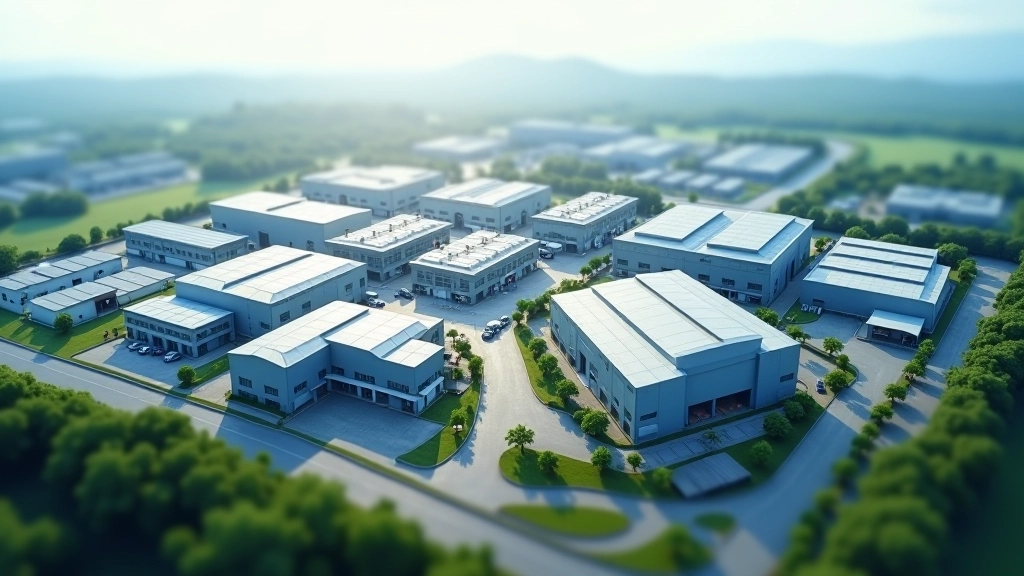
Special economic zones — like free trade zones and industrial parks — exist specifically to attract foreign investors. They offer tax breaks, simplified customs procedures, and modern infrastructure. These aren’t subsidies in the traditional sense. They’re investments in ecosystem development that benefit both foreign investors and local businesses operating in the same zones.