
Understanding Foreign Direct Investment in Malaysia
InvestMalaysia Hub Sdn Bhd provides educational resources on FDI trends, MIDA promotion initiatives, and Malaysia’s role in the global investment landscape
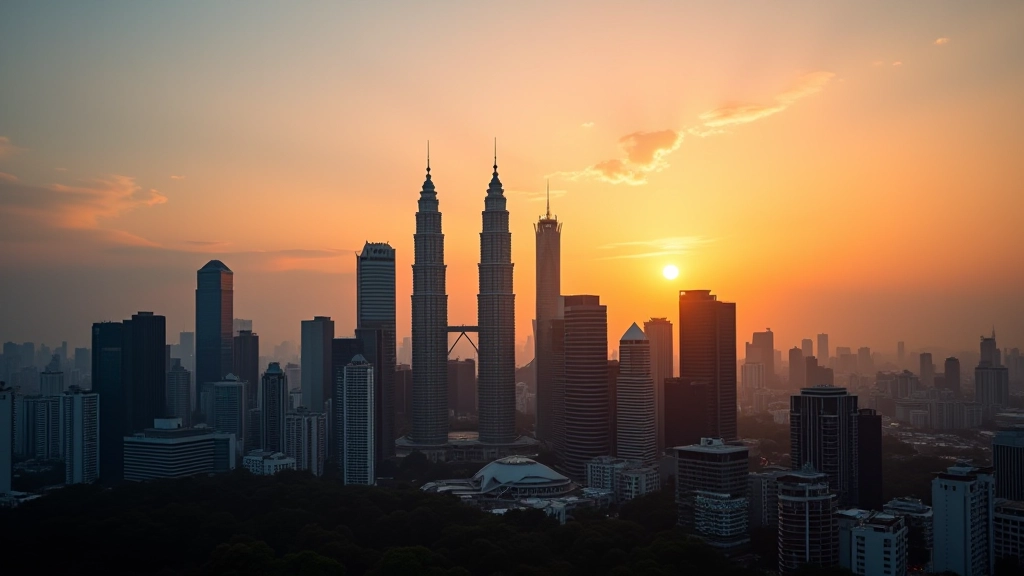
Malaysia’s FDI Environment
Malaysia has emerged as a strategic destination for foreign direct investment across multiple sectors. We’re dedicated to helping investors, policymakers, and students understand the dynamics of FDI flows and their impact on economic development.
Over the past decade, Malaysia’s openness to foreign investment has transformed its economic structure. FDI inflows drive job creation, technology adoption, and infrastructure development. The country’s competitive advantages—skilled workforce, stable governance, and geographic location—make it increasingly attractive to multinational corporations seeking Asian operations.
But it’s not just about attracting capital. Economic openness requires strategic policy frameworks that balance investment promotion with local development priorities. MIDA plays a crucial role in this ecosystem, serving as the central coordinating body for investment promotion and facilitation. Understanding these mechanisms is essential for anyone tracking Malaysia’s economic trajectory.
We’ve built our resources around this reality. Rather than generic investment guides, we focus on Malaysia-specific data, sectoral analysis, and the concrete mechanisms through which FDI contributes to productivity growth and technology transfer.
MIDA Investment Promotion Awareness
Malaysia Investment Development Authority (MIDA) drives the country’s investment strategy. We’re committed to making MIDA’s work transparent and accessible through detailed educational content.
Sectoral Distribution Analysis
We analyze how FDI flows across manufacturing, services, technology, and resource sectors, showing where investment concentrates and why.
Policy Framework Documentation
Clear explanations of investment incentives, tax structures, and regulatory requirements that shape FDI decisions in Malaysia.
Investor Landscape Mapping
Identify key source countries, investor profiles, and sector-specific investment patterns to understand Malaysia’s FDI composition.
Special Zone Fundamentals
Detailed resources on economic zones, their structure, benefits, and the role they play in attracting and managing foreign capital.
Special Economic Zones Explained
Special economic zones (SEZs) are critical infrastructure for FDI attraction. They provide targeted incentives, streamlined regulations, and concentrated investment hubs that accelerate Malaysia’s industrial development.

Distributed across Peninsular Malaysia, providing manufacturing and logistics advantages with customs facilities and tax incentives.
Regionally managed zones with localized support, infrastructure development, and sector-specific clustering initiatives.
Cyberjaya, Penang, and Klang Valley serve as innovation centers attracting high-tech FDI in semiconductors, software, and digital services.
Technology Transfer & Productivity Growth
Foreign direct investment doesn’t just bring capital—it transfers technology, expertise, and best practices that drive productivity improvements across the economy. This spillover effect strengthens Malaysia’s long-term competitiveness.
Skills Development & Workforce Upgrading
Multinational enterprises establish training programs, introduce advanced manufacturing techniques, and create high-skill employment opportunities that elevate the entire workforce.
Innovation & R&D Spillovers
Foreign investors establish research centers and technical facilities, creating knowledge spillovers that benefit domestic suppliers, competitors, and the broader innovation ecosystem.
Supply Chain Integration
FDI creates integrated supply chains that connect Malaysian firms with global markets, improving efficiency standards and encouraging local suppliers to adopt international practices.
Export Competitiveness
FDI enterprises become major exporters, establishing Malaysia as a competitive manufacturing and services hub, generating foreign exchange and supporting long-term growth.
How We Build Understanding
InvestMalaysia Hub Sdn Bhd doesn’t just compile data—we translate complex FDI dynamics into accessible educational resources. Our approach combines rigorous analysis with practical relevance.
Research & Data Collection
We gather official statistics from MIDA, Bank Negara Malaysia, and sectoral industry reports to ensure accuracy. This foundation supports all our educational content.
Analysis & Interpretation
Raw data becomes meaningful through sector analysis, trend identification, and comparative frameworks. We highlight patterns that reveal how FDI shapes Malaysia’s economy.
Resource Development
Educational materials include explainer documents, visual summaries, case studies, and interactive guides designed for students, investors, and policymakers.
Continuous Updates
Malaysia’s investment landscape evolves constantly. We refresh our resources regularly to reflect new policies, sectoral shifts, and emerging trends in global FDI.
Important Information
The educational content provided by InvestMalaysia Hub Sdn Bhd is designed for informational and learning purposes only. It presents analysis of FDI trends, MIDA initiatives, and economic data related to Malaysia’s investment landscape. Individual investment decisions should be based on comprehensive research, current market conditions, and professional consultation with qualified advisors. FDI patterns, policy frameworks, and economic outcomes depend on numerous factors including global market dynamics, regulatory changes, and macroeconomic conditions. Past trends do not guarantee future results. We encourage users to verify information through official sources including MIDA, Bank Negara Malaysia, and relevant government agencies.