




InvestMalaysia Hub Logo InvestMalaysia Hub
Menu
Contact Us

Foreign Direct Investment in Malaysia

Understanding FDI trends, economic openness, and investment opportunities through MIDA’s framework

We’re breaking down how foreign investment shapes Malaysia’s economy. Learn about sectoral distribution, special economic zones, and the real impact of technology transfer on productivity growth. These educational resources help you understand the mechanics behind FDI policy and investment promotion.

Modern office building with glass facade in Kuala Lumpur financial district, daytime

Featured Resources

Explore in-depth guides on FDI mechanisms, investment policies, and economic development

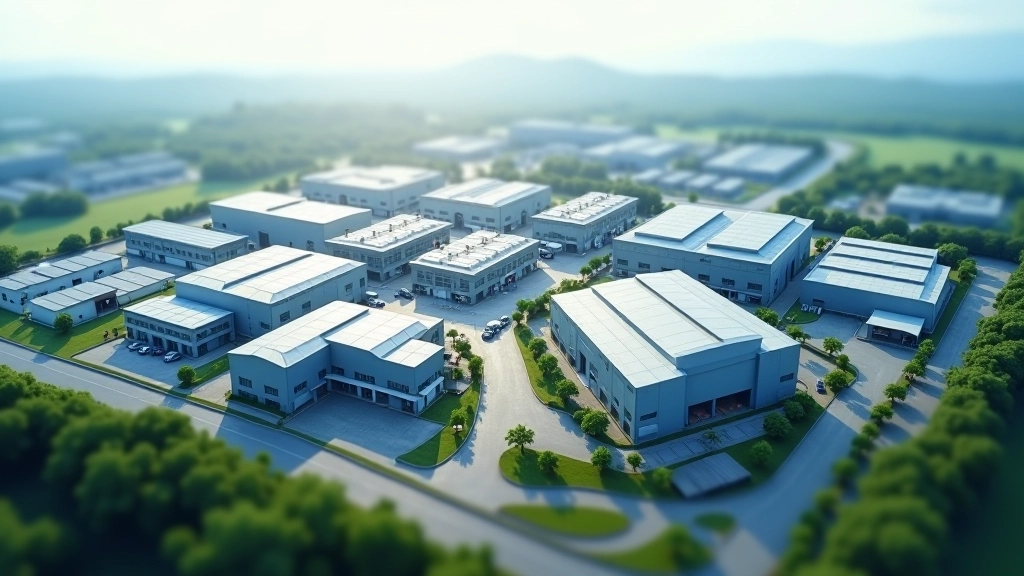
Aerial view of industrial manufacturing facility with multiple buildings and production lines

How FDI Drives Manufacturing Growth in Malaysia

Examines the direct relationship between foreign investment inflows and manufacturing sector expansion across key states and zones.

12 min Intermediate March 2026
Read More
Map showing geographic distribution of special economic zones across Malaysia with highlighted regions

Special Economic Zones: Framework and Benefits

An overview of how Malaysia’s special economic zones attract foreign investors through tax incentives, infrastructure, and regulatory advantages.

10 min Beginner March 2026
Read More
Technology transfer diagram showing knowledge flow between international company and local production facility

Technology Transfer and Productivity Gains

Explores how foreign direct investment facilitates technology transfer that measurably improves productivity and innovation across local industries.

14 min Advanced March 2026
Read More
MIDA office reception area with corporate branding and professional staff greeting visitors

MIDA’s Role in Investment Promotion

Understanding Malaysia’s investment promotion agency and how it supports both foreign investors and local economic development objectives.

9 min Beginner March 2026
Read More

Key Insights on FDI Trends

01

Sectoral Distribution Matters

FDI isn’t evenly distributed. Electronics and electrical products historically capture the largest share, but renewable energy and digital services are growing rapidly.

02

Economic Openness Drives Growth

Countries with open investment policies attract more FDI, which creates jobs and generates tax revenue. Malaysia’s strategic location and infrastructure make it attractive to multinational corporations.

03

Skills and Knowledge Transfer

When foreign companies invest locally, they bring advanced techniques, management practices, and technical expertise that benefit the broader economy.

04

Special Zones Create Competitive Advantage

Designated economic zones offer streamlined processes and incentives that reduce barriers to entry and operational costs for foreign investors.

Understanding FDI in Malaysia

Foreign direct investment represents capital that foreign entities invest in Malaysian businesses and infrastructure. It’s not just money — it’s a channel for economic development. When multinational corporations establish operations here, they create employment opportunities, build supply chains, and integrate Malaysia into global trade networks.

The Malaysian Investment Development Authority (MIDA) coordinates investment promotion efforts across federal and state levels. Their role isn’t to force investment but to facilitate it — by providing information, streamlining regulatory processes, and showcasing Malaysia’s advantages like political stability, skilled workforce, and geographic position.

FDI flows vary by sector. Manufacturing still dominates, but we’re seeing increased interest in technology services, renewable energy, and digital infrastructure. Each sector brings different skills and knowledge that contribute to broader productivity improvements. When a semiconductor manufacturer opens a plant, local suppliers learn new quality standards. When a tech company establishes a research center, engineers gain exposure to cutting-edge practices.

Special economic zones — like free trade zones and industrial parks — exist specifically to attract foreign investors. They offer tax breaks, simplified customs procedures, and modern infrastructure. These aren’t subsidies in the traditional sense. They’re investments in ecosystem development that benefit both foreign investors and local businesses operating in the same zones.